 Adventure Guides
Why Java Beats Bali for Nature and Culture Explorers
Java vs Bali for nature and culture explorers is a common question among travelers planning a trip to Indonesia. As an archipelagic country with more than 17,000 islands, Indonesia offers diverse culture, dramatic landscapes, and deep-rooted traditions. Among these islands, Java and Bali stand out as two of the most visited destinations for international travelers.
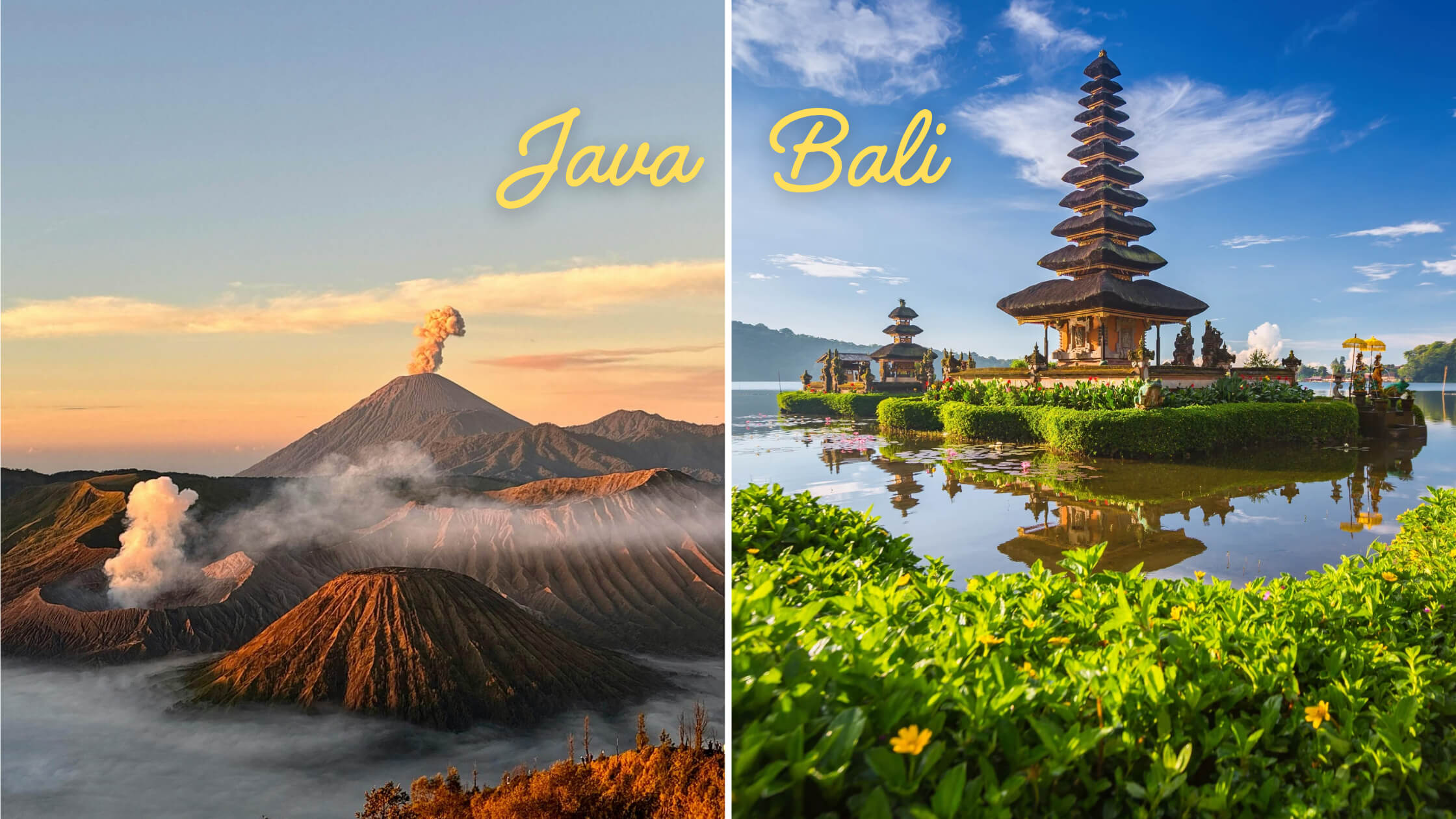
While Bali is famous for its traditional culture, temples, beautiful beaches, and vibrant nightlife, Java offers a unique blend of nature, culture, ancient temples, and history that sets it apart from its neighboring island, which became internationally popular earlier as a tourist destination.
In this article, we explore what makes Java different from Bali for nature and culture lovers — not by comparing them competitively, but by highlighting the distinctive experiences each island offers.
Read also: Best Time to Visit Java
Geographical and Climatic Differences
One of the main differences between Java and Bali lies in their geography and climate.
Java, as the 13th largest island in the world and the 5th largest in Indonesia, is significantly larger than Bali and features far more diverse landscapes. From Mount Bromo, an active volcano with breathtaking volcanic scenery, to Ujung Kulon National Park, a UNESCO World Heritage Site and home to the endangered Javan rhinoceros, Java’s natural beauty is both varied and awe-inspiring.
Java’s climate is also more diverse, with cool temperatures in the mountainous regions and hotter, more humid conditions in the lowlands. In contrast, Bali generally enjoys a warm tropical climate year-round, with landscapes dominated by volcanic mountains in the east and north, as well as stunning beaches and lush greenery along its western and southern coasts.
Nature Exploration in Java
For travelers seeking deeper connections with nature, Java unfolds a variety of outdoor experiences, including:
Hiking and Trekking
Java diverse landscapes offer hiking and trekking experiences ranging from relaxed day walks to demanding multi-day journeys.
Wildlife and National Parks
Places such as Ujung Kulon National Park and Mount Halimun-Salak National Park are home to rich biodiversity, including many rare and endangered species.
Active Volcano Regions
Java is home to 34 active volcanoes, making it the island with the highest number of active volcanoes in Indonesia. Many of these volcanoes are closely monitored due to frequent volcanic activity. Visitors can explore volcanic landscapes, acidic crater lakes, and geothermal areas, gaining not only scenic experiences but also unique geological insights at each mountain destination in Java.
As a distinctive characteristic, although Bali boasts spectacular beaches and temples, its natural attractions — while stunning — are relatively less varied compared to Java’s vast and diverse landscapes.
Cultural Exploration in Java
In addition to its landscapes, Java reveals a deep cultural character shaped by centuries of traditions, historical legacies, and artistic expression. The island was once the center of major kingdoms such as Majapahit and the Sultanates of Yogyakarta and Surakarta, leaving behind a legacy of historical sites, museums, and cultural festivals.
Some of the main cultural attractions and Dutch colonial heritage sites in Java include:
Borobudur Temple
The largest Buddhist temple complex in the world, renowned for its intricate reliefs and majestic structure.
Prambanan Temple
A historic Hindu temple complex that reflects the artistic excellence and spiritual traditions of ancient Java.
The Sultanates of Yogyakarta and Surakarta
These cities embody Javanese cultural heritage that is still strongly preserved today. Their royal palaces (keraton) remain sacred and carefully maintained, serving as living witnesses to Java’s royal history. Traditional dances and local handicrafts further enrich the cultural experience.
Dutch Colonial Plantation Heritage in Java
Java is also home to several historic plantations established during the Dutch colonial era, which remain active today:
Wonosari Tea Plantation, still producing high-quality tea for both local and international markets.
Kaliklatak Plantation, focusing on Robusta coffee and rubber, with exports mainly to Europe.
Doesoen Kakao, specializing in cocoa cultivation, with products exported internationally and distributed locally in Indonesia.
While Bali is widely known for its strong Hindu culture and vibrant festivals, Java’s cultural landscape is more historically complex and diverse, reflecting its role as a crossroads of trade and cultural exchange since ancient times.
Experiencing Local Life in Java
For travelers seeking deeper immersion into local life, Java offers many authentic experiences. Travelers can connect with everyday Javanese life through a variety of meaningful experiences – from sampling regional dishes shaped by generations of culinary tradition to witnessing the storytelling art of Wayang Kulit. Local markets also offer vibrant glimpse into daily life, blending traditional craftsmanship with contemporary goods..
Moreover, cities such as Yogyakarta and Malang offer a blend of colonial history, modern entertainment, and educational institutions, providing a well-rounded urban experience that complements the island’s natural and cultural attractions.
Conclusion
In conclusion, while Bali is more famous for its temples, beaches, and nightlife, Java stands out as a destination offering a more profound and diverse experience for nature and culture explorers. With its varied landscapes, rich cultural heritage, and dynamic cities, Java truly reflects the complexity and beauty of Indonesia as a whole.
Whether you are a seasoned traveler or just beginning to explore Southeast Asia, Java promises an inspiring and unforgettable journey, making it an essential part of any Indonesian travel itinerary.
So, begin your journey to discover what makes Java different from Bali, and experience the magic of this extraordinary island for yourself.


Comments are closed