Overview:
Kaliklatak Plantation is one of the oldest and most historic plantations in East Java, located on the slopes of Mount Merapi (Banyuwangi). Visitors come here to experience rural landscapes, coffee and cacao plantations, traditional processing methods, and peaceful panoramic views overlooking Banyuwangi and Bali’s west coast. It’s an ideal destination for travelers seeking culture, nature, and local agricultural heritage.
Kaliklatak Plantation, Banyuwangi
Discover One of Banyuwangi Oldest Coffee Plantations
Kaliklatak Plantation is one of the oldest working plantations in Banyuwangi, East Java. Established during the Dutch colonial era, the plantation remains an active agricultural estate producing a variety of commodities, including Robusta coffee, Arabica coffee, Liberica coffee, rubber, and cinnamon.
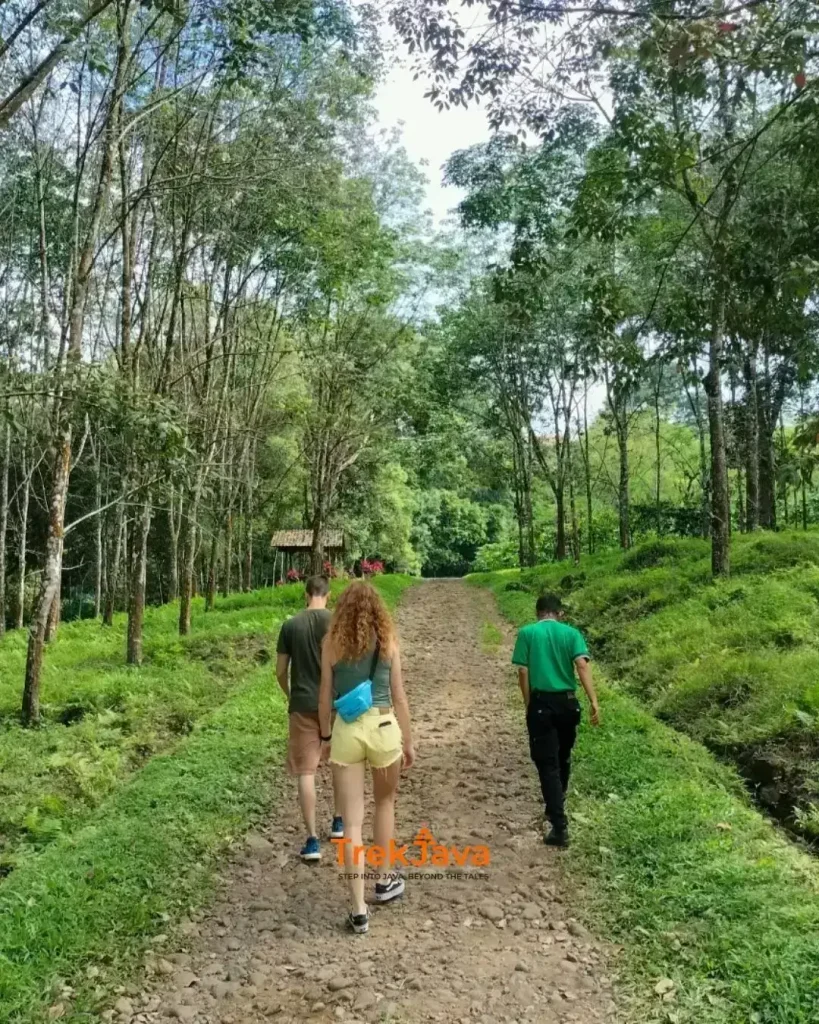
Unlike many tourist attractions, Kaliklatak Plantation offers a peaceful and authentic countryside experience. Because it is a privately managed plantation, access is limited and visits are carefully arranged to preserve its natural environment and daily plantation activities. As a result, visitors can enjoy a quiet atmosphere far from the crowds while experiencing the genuine charm of rural Java.
For coffee lovers, Kaliklatak is a fascinating destination. The plantation cultivates three coffee varieties—Arabica, Robusta, and Liberica—allowing visitors to learn about the unique characteristics of each type directly from the source.
The plantation is also a paradise for photographers and nature enthusiasts. Endless rows of coffee trees, rubber plantations, colonial-era buildings, rolling hills, and fresh mountain air create beautiful landscapes throughout the estate. During the coffee break at the hilltop viewpoint, visitors can enjoy panoramic views overlooking the Bali Strait and, on clear days, even see the island of Bali in the distance while sipping freshly brewed organic coffee produced on the plantation.
Beyond its beautiful scenery, Kaliklatak Plantation offers an opportunity to experience authentic village life. Visitors can observe the daily activities of plantation workers, enjoy the peaceful surroundings, breathe clean air free from city pollution, and discover the warm hospitality of the local community living within the plantation area.
What to See & Experience
- Coffee, Cinnamon & Rubber Plantations
Visitors to Kaliklatak Plantation have the opportunity to explore a diverse agricultural landscape that includes Arabica coffee, Robusta coffee, cinnamon, and rubber plantations. Walking through the estate, guests can enjoy rows of neatly cultivated coffee trees stretching across the hillsides while experiencing the peaceful atmosphere of one of Banyuwangi oldest working plantations.
One of the highlights of the tour is a visit to the coffee nursery area, where visitors can learn how coffee seedlings are propagated before being planted in the fields. Kaliklatak Plantation produces its own coffee seedlings, allowing the estate to maintain quality control from the earliest stages of cultivation. Here, guests can gain valuable insight into the coffee-growing process, from seedling development to mature coffee trees ready for harvest.
The plantation is committed to environmentally friendly farming practices. Coffee trees are cultivated using natural organic fertilizers rather than chemical fertilizers, helping preserve soil health while maintaining the quality and flavor of the coffee produced at Kaliklatak Plantation.
Visitors can also learn about the different coffee varieties grown within the estate. While Arabica and Robusta are the plantation’s primary coffee crops, smaller numbers of Liberica and Excelsa coffee trees can also be found. Although these varieties are less widely known, they offer an interesting introduction to Indonesia’s rich coffee diversity.
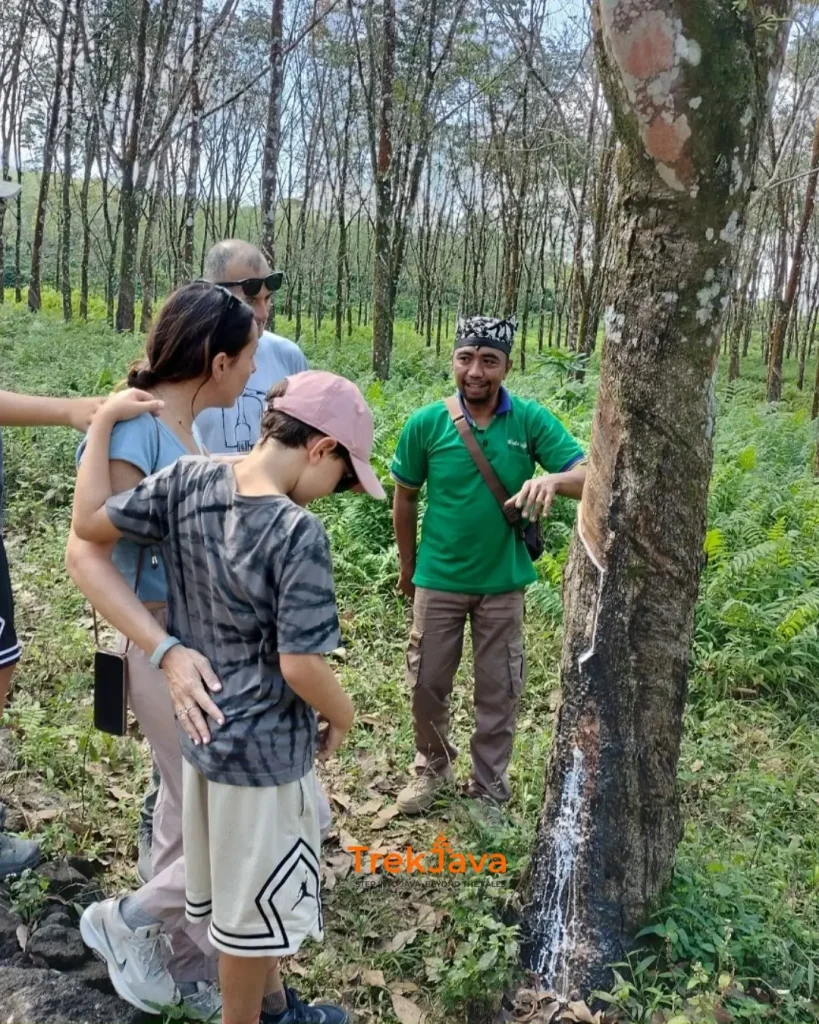
In addition to coffee cultivation, visitors can explore the rubber plantation and learn about the traditional latex tapping process. Depending on the season and plantation activities, guests may have the opportunity to observe or even try rubber tapping under the supervision of experienced plantation workers. Many of the workers involved in this activity are women who have developed exceptional skills and expertise through years of experience.
The tour also includes a visit to the cinnamon plantation, where visitors can learn how cinnamon trees are cultivated and harvested. Local guides explain sustainable harvesting techniques that allow cinnamon bark to be collected without damaging the trees, ensuring long-term productivity and environmental sustainability.
- Colonial-Era Buildings
Kaliklatak Plantation was originally established during the Dutch colonial period and remains one of the few privately managed plantations in Banyuwangi that continues to produce coffee, rubber, and cinnamon today. For generations, the plantation has played an important role in supporting the livelihoods of local communities, many of whom work and live within the estate.
Throughout the plantation, visitors can find a number of well-preserved colonial-era buildings that reflect its long history. These include the owner’s residence, administrative offices, coffee and rubber processing facilities, storage warehouses, guest villas, and housing provided for plantation workers.
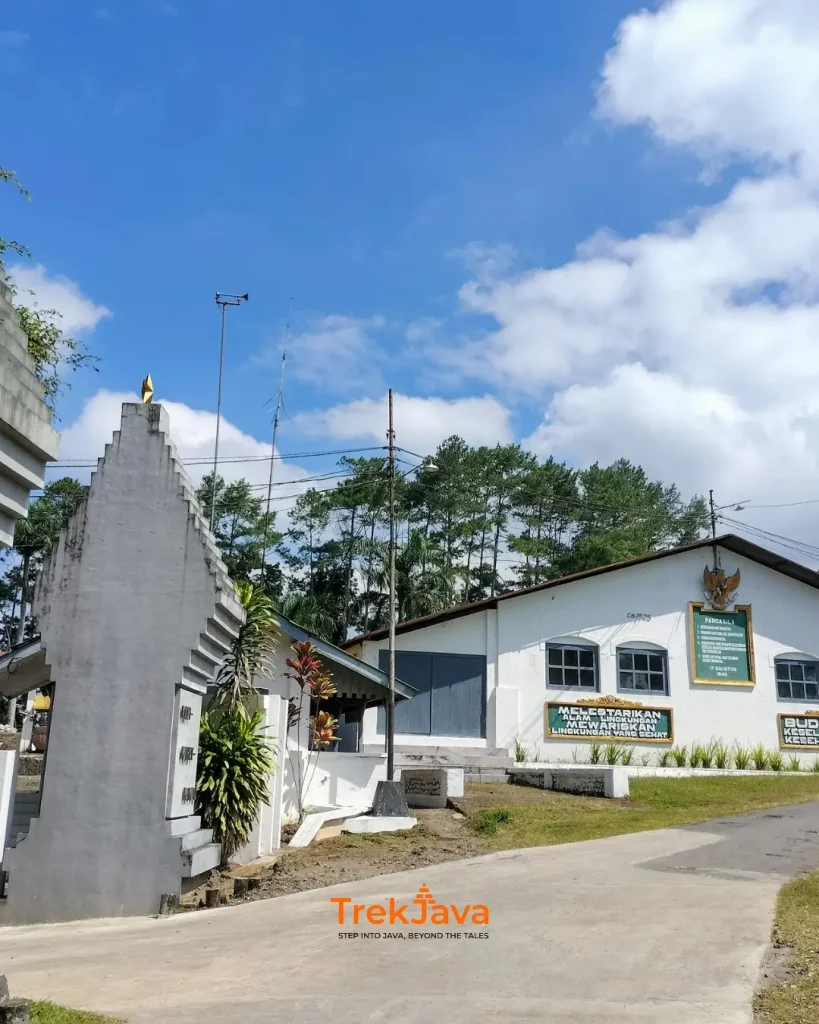
One of the most distinctive features of Kaliklatak Plantation is its authentic Dutch colonial architecture. Many of the buildings have been carefully maintained, preserving the atmosphere of a bygone era and offering visitors a glimpse into Java’s agricultural heritage.
The historic buildings also provide excellent opportunities for photography. Surrounded by coffee fields, rubber plantations, and tropical landscapes, they create a unique setting that combines history, culture, and nature. During the tour, visitors can learn more about the plantation’s fascinating history through stories and explanations shared by local guides.
- Traditional Coffee Processing
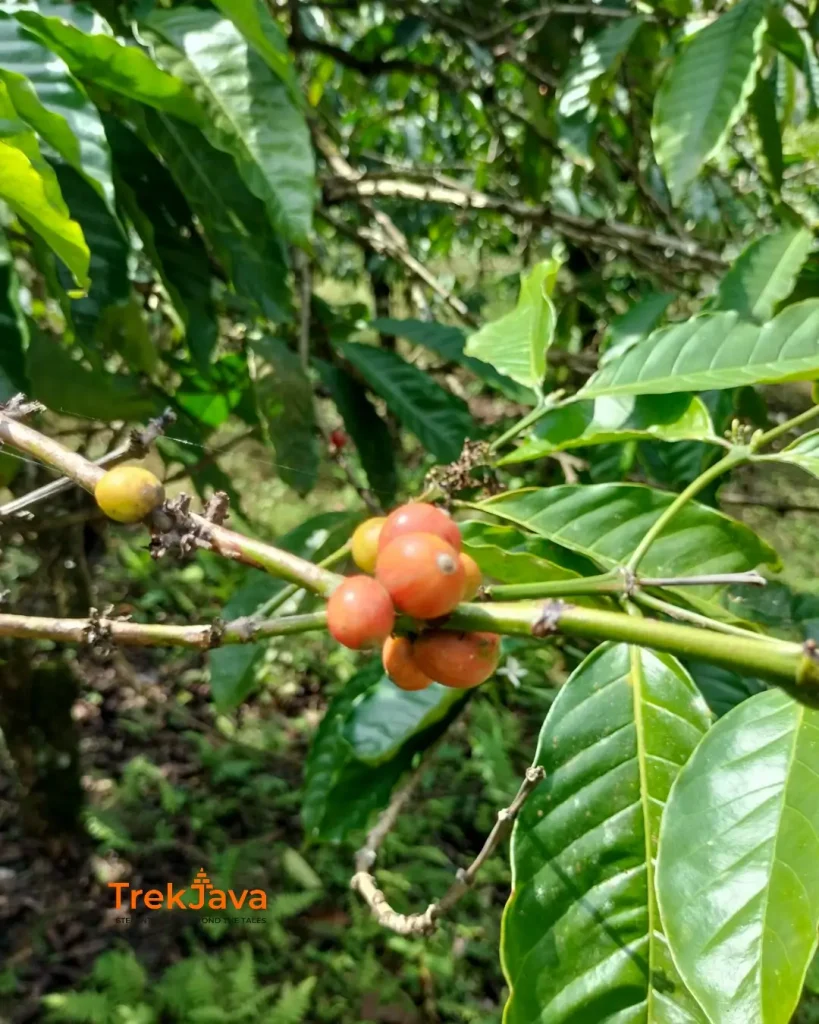
Coffee production at Kaliklatak Plantation begins with a careful harvesting process. Only fully ripe red coffee cherries, commonly known as red cherries, are selected for processing. This selective picking method is essential for maintaining the quality of the final product.
Harvesting is carried out entirely by hand, and many of the workers involved are women who are known for their patience and attention to detail. Unripe green cherries are left on the tree until they reach the proper stage of maturity. Strict supervision is maintained throughout the harvest season to ensure that only the highest-quality cherries are collected.
Arabica Coffee Processing
After harvesting, Arabica coffee cherries are placed in water for quality selection. Cherries that float are separated, while the denser cherries that sink are selected for further processing because they generally indicate better bean quality.
The outer skin is then removed before the beans are dried naturally under the sun. Because Arabica beans contain less moisture than Robusta, they typically do not require a fermentation stage. The drying process depends entirely on weather conditions and sunlight intensity, making each harvest season slightly different.
Robusta Coffee Processing
Robusta coffee follows a different processing method. After harvesting, the cherries are also placed in water to separate the highest-quality fruit. Once selected, the outer skin is removed before the beans undergo a fermentation process.
Following fermentation, the beans are gradually dried to reduce their naturally high moisture content. Because fresh Robusta cherries contain significant amounts of moisture, careful drying is essential to prevent undesirable flavors from developing. At Kaliklatak Plantation, this stage combines traditional techniques and controlled heat drying before the beans are finally sun-dried.
When every step is carried out correctly, the resulting coffee develops a balanced flavor profile, pleasant sweetness, and rich aroma.
- Coffee Sorting and Storage
Once drying is complete, the coffee beans are carefully sorted by hand. This process is still performed manually because it allows for more accurate quality control and helps maintain export-grade standards. Many of the workers involved in sorting are women whose precision and attention to detail contribute significantly to the plantation’s quality standards.
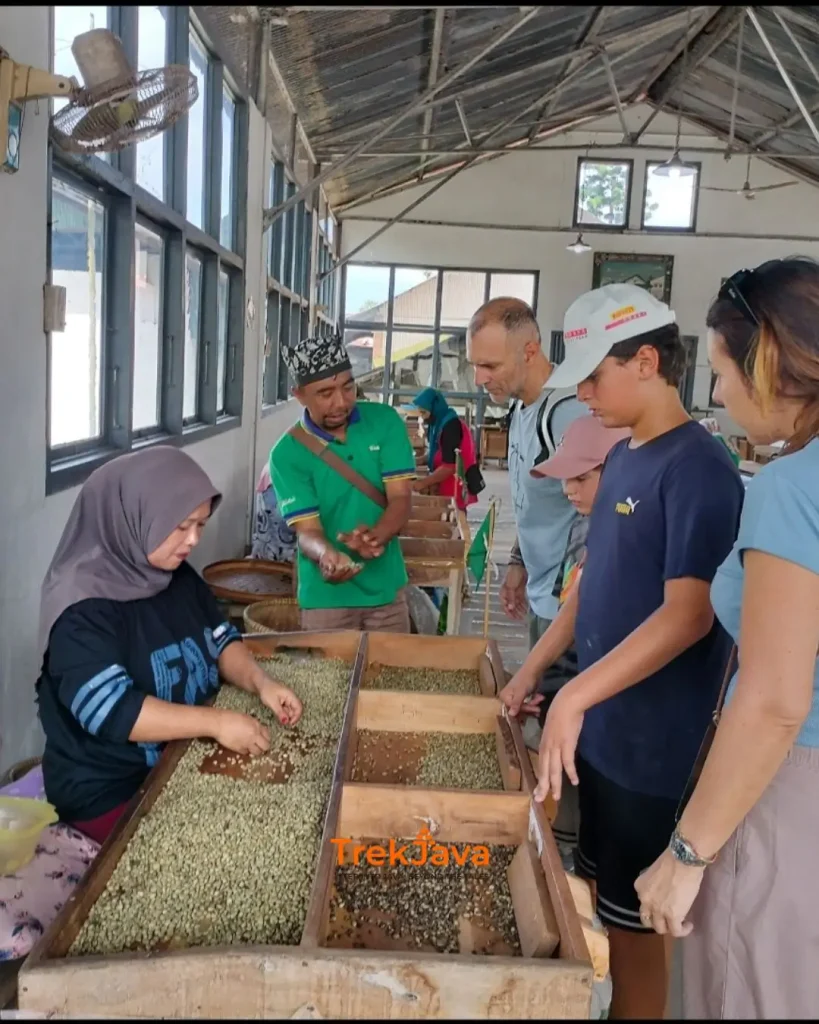
After sorting, the beans are stored in specially designated facilities designed to protect them from humidity and mold, ensuring that their flavor and quality remain intact.
At the end of the tour, visitors have the opportunity to taste coffee produced directly by Kaliklatak Plantation, providing a deeper appreciation of the journey from coffee tree to cup.
- Panorama Hilltop View (Puncak Kaliklatak)
After exploring the plantation, visitors continue to the hilltop viewpoint for a relaxing coffee break while enjoying freshly brewed coffee produced by Kaliklatak Plantation. This scenic location offers spectacular views across the estate and is considered one of the highlights of the tour.
From the viewpoint, visitors can admire endless rows of coffee trees, vast rubber plantations, and rolling green hills stretching across the landscape. The peaceful surroundings and fresh mountain air create the perfect atmosphere to relax and enjoy the beauty of nature.
The panorama becomes even more impressive on clear days. Visitors can enjoy sweeping views of the Bali Strait, the island of Bali, and the surrounding countryside. In the distance, the majestic silhouette of Mount Merapi Banyuwangi rises above the landscape, while the lush forests of the Ijen Highlands form a stunning natural backdrop.
Combining beautiful scenery, tranquil surroundings, and a cup of organic coffee produced directly from the plantation, the hilltop viewpoint offers one of the most memorable experiences at Kaliklatak Plantation. It is the perfect place to slow down, appreciate the natural beauty of East Java, and enjoy a truly authentic plantation experience.
Coffee Plantation Experience
A visit to Kaliklatak Plantation offers much more than simply seeing coffee trees. It is an educational journey where visitors can explore the plantation, learn about coffee cultivation, and discover how high-quality coffee is produced from farm to cup.
During the tour, guests will visit the coffee plantations where Arabica and Robusta coffee are grown. Local guides explain the differences between the two varieties, their growing conditions, harvesting methods, and processing techniques that influence the flavor of every cup.
Robusta Coffee
Robusta coffee (Coffea canephora) grows well at elevations between 400 and 700 meters above sea level, with ideal temperatures ranging from 21–24°C. This variety thrives in regions with a distinct dry season followed by regular rainfall.
Today, Robusta accounts for approximately 40–45% of global coffee production. Compared to Arabica, Robusta contains more caffeine, has lower acidity, and produces a stronger, bolder flavor with earthy, woody, and slightly nutty notes. Its rich body also makes it a popular choice for espresso blends.
Arabica Coffee
Arabica coffee (Coffea arabica) is the world’s most widely cultivated coffee species, representing around 60% of global coffee production. It is believed to be the first coffee species ever cultivated and is highly valued for its smooth, complex flavor profile.
Compared with Robusta, Arabica offers brighter acidity, a sweeter taste, and more delicate floral and fruity aromas. The species originated in the highland forests of Ethiopia before spreading to coffee-growing regions around the world.
At Kaliklatak Plantation, visitors can observe how these two coffee varieties are cultivated under different growing conditions while learning why each produces its own unique characteristics.
Coffee Harvesting Experience
One of the highlights of visiting Kaliklatak Plantation is witnessing the traditional coffee harvesting process. During the harvest season, visitors have the opportunity to observe how experienced plantation workers carefully hand-pick only the ripest coffee cherries.
Harvesting is typically carried out by female workers, whose patience, precision, and attention to detail help maintain the plantation’s high-quality standards. Rather than picking every fruit on a branch, they carefully select only the fully ripe red cherries. This selective harvesting method ensures that only the best coffee cherries continue to the processing stage, resulting in a better flavor and higher-quality coffee.
During the tour, visitors can observe the careful harvesting process, learn why only ripe red cherries are selected, and discover the rich flavors and consistent quality of Kaliklatak Plantation coffee.
Coffee Processing
After harvesting, the coffee cherries are processed using different methods depending on the coffee variety. Each step is carefully designed to preserve the beans’ quality and develop their unique flavor characteristics.
Arabica Coffee Processing
Arabica coffee is processed shortly after harvesting. The outer skin of the ripe coffee cherries is removed using a pulping machine before the beans are washed and prepared for drying.
The beans are then naturally sun-dried on open drying beds. Under normal sunny conditions, the drying process usually takes around seven days, although the exact duration depends on weather conditions and sunlight intensity. Careful drying is essential to achieve the ideal moisture content while preserving the coffee’s delicate aroma and flavor.
Robusta Coffee Processing
Robusta coffee follows a different processing method.
After harvesting, the coffee cherries are first soaked in water overnight. This traditional quality control step separates the cherries based on their density. High-quality cherries sink to the bottom, while lower-quality cherries float and are removed.
The selected cherries are then depulped before entering a fermentation process that lasts approximately two days. Fermentation helps develop the coffee’s flavor while removing the remaining fruit mucilage from the beans.
Once fermentation is complete, the coffee beans are carefully dried to gradually reduce their moisture content while preserving their quality. At Kaliklatak Plantation, Robusta coffee is gently dried using a traditional smoke-drying method, which helps reduce the beans’ naturally high moisture content. Fresh Robusta cherries contain around 80% moisture, so careful drying is essential to ensure long-term storage and consistent quality.
When every stage—from harvesting to drying—is carried out correctly, the resulting Robusta coffee develops a cleaner profile with a pleasant natural sweetness, balanced body, and rich aroma.
Coffee Tasting Experience
No visit to Kaliklatak Plantation is complete without tasting the coffee produced directly from the estate.
After exploring the plantation, visitors are invited to enjoy a relaxing coffee break at a scenic hilltop viewpoint overlooking endless coffee fields, rubber plantations, and the beautiful Bali Strait. On clear days, the island of Bali can also be seen in the distance, creating a spectacular backdrop for the experience.
Freshly brewed organic coffee from Kaliklatak Plantation is served while local guides explain the characteristics of each coffee variety and the journey from cultivation to the final cup.
This peaceful setting allows visitors to slow down, appreciate the surrounding landscape, and enjoy one of Banyuwangi’s most authentic coffee experiences. It is not only an opportunity to taste excellent coffee but also to understand the people, traditions, and craftsmanship behind every cup.
The History of Kaliklatak Plantation
Kaliklatak Plantation has a long history dating back to the Dutch colonial period. Established as a plantation estate during colonial rule, it became one of the important agricultural centers in East Java, producing commodities such as coffee, rubber, cloves, and cinnamon.
Following the post-independence period, Kaliklatak Plantation entered a new phase of management under General Suhud, whose leadership helped shape the plantation into one of Banyuwangi most respected agricultural estates. He became the first private owner of Kaliklatak Plantation.
Under his leadership, the plantation continued to grow and gained a strong reputation for producing high-quality rubber, cloves, and coffee for both domestic and international markets. Over the years, Kaliklatak has adapted to changing market demands while preserving its long-standing agricultural traditions.
Today, the plantation continues to evolve by expanding its Arabica coffee cultivation alongside its established Robusta and Liberica varieties. This development reflects the increasing demand for premium Indonesian coffee in both local and export markets.
One of Kaliklatak Plantation’s defining characteristics is its commitment to environmentally friendly farming. The coffee is grown using organic fertilizers, without relying on chemical pesticides or synthetic fertilizers. This sustainable approach helps maintain healthy soil, protects the surrounding ecosystem, and supports the production of high-quality coffee beans.
To ensure consistent quality, the plantation also follows international quality control standards through a quality control partnership from Italy. This commitment demonstrates Kaliklatak’s dedication to producing coffee that meets the expectations of both domestic consumers and international buyers.
Looking ahead, coffee is expected to remain one of the plantation’s primary focuses, continuing its legacy as one of Banyuwangi’s most respected coffee-producing estates.
Best Photography Spots
Kaliklatak Plantation offers countless opportunities for photography, combining colonial heritage, lush tropical landscapes, and authentic rural life.
Some of the best photography locations include:
– Historic Dutch colonial buildings with beautifully preserved architecture.
– Arabica and Robusta coffee plantations stretching across rolling hills.
– A scenic hilltop viewpoint, perfect for relaxing while enjoying freshly brewed coffee and panoramic views of the plantation and the Bali Strait.
– Rows of towering rubber trees that create a peaceful forest atmosphere.
– Morning mist drifting through the plantation, especially during the early hours, providing magical lighting for landscape photography.
Whether you are a professional photographer or simply enjoy capturing memorable travel moments, Kaliklatak Plantation offers beautiful scenery throughout the year.
Flora and Fauna
The plantation is home to a rich variety of plants and wildlife that thrive within its natural environment.
Flora
– Arabica coffee
– Robusta coffee
– Liberica coffee
– Rubber trees
– Clove trees
– Cinnamon trees
– Various tropical forest plants
Fauna
Visitors may encounter several species of wildlife during their walk through the plantation, including:
– Colorful butterflies
– Native birds
– Asian palm civets (Indonesia known as Luwak)
– Green junglefowl (or Javan junglefowl)
– Squirrels
– Various insects and small forest animals that contribute to the plantation’s ecosystem
The combination of diverse flora and fauna makes Kaliklatak Plantation an excellent destination for nature lovers, birdwatchers, and wildlife photographers.
Kaliklatak Plantation Tour Itinerary
Our Kaliklatak Plantation Tour offers an immersive half-day experience, allowing visitors to discover the plantation’s history, agricultural traditions, and breathtaking natural scenery.
08:00 AM – Arrival at Kaliklatak Plantation
Begin your visit by exploring the beautifully preserved Dutch colonial buildings, where your guide will introduce the plantation’s fascinating history and heritage.
09:00 AM – Rubber Plantation Experience
Walk through the rubber plantation and learn how rubber trees are tapped using traditional techniques. Your guide will explain the harvesting process and how natural latex is collected before being processed into commercial products.
10:00 AM – Coffee and Cinnamon Plantation Tour
Continue to the coffee plantation to learn about Arabica, Robusta, and Liberica coffee cultivation. Depending on the season, you may also observe coffee harvesting and processing activities.
The tour also includes a visit to the cinnamon plantation, where you will discover how cinnamon trees are cultivated and harvested.
11:00 AM – Coffee Break at the Hilltop Viewpoint
Relax with a cup of freshly brewed organic coffee produced by Kaliklatak Plantation while enjoying panoramic views of the coffee fields, rubber plantations, and the Bali Strait. On clear days, the island of Bali can be seen in the distance.
12:00 PM – Traditional Local Lunch
Enjoy a delicious local lunch served in the peaceful surroundings of one of the plantation’s historic colonial buildings, offering a unique atmosphere that reflects Kaliklatak rich heritage.
01:00 PM – Tour Ends
After lunch, the tour concludes with a transfer back to your hotel or your next destination in Banyuwangi.
How to Get There
Kaliklatak Plantation is located in Banyuwangi Regency, East Java.
Approximate travel times:
Banyuwangi City: 40–50 minutes
Ketapang Ferry Port: 30–40 minutes
Banyuwangi Airport: approximately 1 hour
Many travelers combine a visit to Kaliklatak Plantation with their journey from Bali to East Java.
A popular itinerary is to arrive in Banyuwangi from Bali in the morning, visit Kaliklatak Plantation around 10:00 AM, and then continue to a hotel for check-in. The following day, travelers typically depart early for their Ijen Crater adventure.
Kaliklatak Plantation, Batik Workshop & Ijen Tour from Bali
When Is the Best Time to Visit Kaliklatak Plantation?
Kaliklatak Plantation can be visited throughout the year, but the experience varies depending on the season and your travel interests.
One important thing to note is that different seasons offer different plantation activities. While visitors can enjoy the plantation scenery and educational tours year-round, certain agricultural activities are seasonal.
August and September are generally the main coffee harvest months at Kaliklatak Plantation. During this period, visitors may have the opportunity to observe coffee harvesting, processing, drying, and sorting activities.
For the rubber plantation, activities are more limited between September and November. During the dry season, rubber trees enter a natural resting period and shed their leaves, similar to autumn in temperate countries. As a result, latex tapping and rubber processing activities are temporarily suspended until the trees return to their productive cycle.
Although some plantation activities vary throughout the year, visitors can still learn about coffee, rubber, cinnamon, and the history of the plantation during any season. To ensure the best experience, advance reservations are highly recommended.
If you are interested in visiting Kaliklatak Plantation, please feel free to contact us for the latest information and tour arrangements.
Dry Season (May – October)
The dry season is generally considered one of the best times to visit Kaliklatak Plantation. Sunny weather, lower humidity, clean air, and clear skies create ideal conditions for exploring the estate, enjoying the scenery, and taking photographs.
This is also an excellent time to learn about coffee cultivation, rubber production, and cinnamon farming while walking through the plantation.
From the hilltop viewpoint, visitors can enjoy panoramic views of the Bali Strait, the island of Bali, vast coffee and rubber plantations, and, on clear days, the beautiful silhouette of Mount Merapi in Banyuwangi alongside the forests of the Ijen highlands.
Rainy Season (November – April)
During the rainy season, the plantation becomes even greener and more vibrant. The landscape is refreshed by regular rainfall, creating a peaceful atmosphere surrounded by fresh mountain air.
This season offers a quieter and more authentic plantation experience. The estate remains beautiful, tranquil, and naturally preserved, making it ideal for travelers seeking a slower pace and a closer connection with nature.
Rain showers are usually short and rarely last all day. Visitors who do not mind occasional rain will be rewarded with fewer crowds and a more relaxing atmosphere. This period also falls outside the peak holiday season for most international travelers.
Coffee Harvest Season
One of the most fascinating times to visit Kaliklatak Plantation is during the coffee harvest season.
Depending on the coffee variety and annual weather conditions, visitors may have the opportunity to witness the entire process, from hand-picking ripe coffee cherries to processing, drying, and sorting coffee beans before they are prepared for domestic and international markets.
The plantation is committed to maintaining high-quality standards throughout the production process. Coffee trees are cultivated using organic fertilizers without relying on chemical pesticides or synthetic fertilizers, helping preserve both the environment and the quality of the coffee.
For travelers interested in learning more about coffee production and plantation life, the harvest season provides one of the most educational experiences available at Kaliklatak Plantation.
For the latest harvest schedule and plantation activities, please contact us via WhatsApp before your visit.
Seasonal Coffee Calendar
Kaliklatak Plantation offers different experiences throughout the year.
| Period | What You Can Experience |
| January – March | Lush green landscapes after the rainy season, fresh air, and coffee trees entering their flowering season. |
| April – June | Coffee cherries begin to develop, making it an enjoyable time to observe the growth cycle of coffee plants. |
| July – September | The main coffee harvest season, when visitors may witness harvesting, processing, and drying activities, depending on annual harvest conditions. |
| October – December | The plantation becomes green again as the rainy season begins. This period is ideal for travelers who prefer a calm environment away from the crowds.Please note that coffee flowering and harvesting cycles depend heavily on annual weather conditions. As a result, harvest and flowering periods may vary slightly from year to year. |
Travel Tips Before You Visit
Before visiting Kaliklatak Plantation, consider the following suggestions for a smoother and more enjoyable trip.
Wear comfortable shoes suitable for walking on plantation trails.
Bring insect repellent, especially during the rainy season.
A hat and sunscreen are recommended, especially during warm and sunny weather.
Carry a reusable water bottle to stay hydrated, as much of the tour takes place outdoors.
Choose comfortable clothing that helps keep you cool while exploring the plantation.
Bring a camera if you enjoy nature and landscape photography.
During the rainy season, pack a lightweight rain jacket or umbrella in case of sudden showers.
What to Bring
The following items will help you enjoy a more comfortable plantation experience:
Comfortable walking shoes
Sunglasses
Hat or cap
Sunscreen
Insect repellent
Camera or smartphone
Personal medications if needed
A small backpack for personal belongings.
Responsible Tourism
Kaliklatak Plantation is a working agricultural estate, and visitors are encouraged to help preserve its natural beauty and peaceful atmosphere.
Please follow the instructions of your local plantation guide, stay on designated paths, avoid picking coffee cherries or other plants without permission, and dispose of waste responsibly. Respecting plantation workers and their daily activities helps preserve the authenticity of the experience for future visitors.
By traveling responsibly, you also support sustainable tourism and contribute to the well-being of the local community that has cared for this historic plantation for generations.
Nearby Attractions
Kaliklatak Plantation is conveniently located near several of Banyuwangi most popular destinations, making it easy to combine multiple attractions into a full-day or multi-day itinerary.
Ijen Crater
Famous for its breathtaking sunrise, turquoise crater lake, and the rare Blue Fire phenomenon, Ijen Crater is one of Indonesia’s most iconic volcanoes. A visit to Kaliklatak Plantation pairs perfectly with an early morning hike to Ijen.
De Djawatan Forest
Known for its towering Trembesi trees and magical atmosphere, De Djawatan Forest is often compared to scenes from fantasy movies. It is an excellent stop for nature lovers and photographers.
→ De Djawatan Forest Guide
Jagir Waterfall
Jagir Waterfall is a peaceful natural attraction surrounded by lush tropical vegetation. Its clear spring water and relaxing atmosphere make it a wonderful place to unwind after exploring the plantation.
→ Jagir Waterfall Guide
Alas Purwo National Park
One of Indonesia’s oldest national parks, Alas Purwo is home to tropical forests, wildlife, surfing beaches, and spiritual sites. It is an ideal destination for travelers seeking nature, adventure, and biodiversity.
→ Alas Purwo National Park Guide
Sukamade Turtle Beach
Witness one of nature’s most unforgettable moments as sea turtles come ashore to lay their eggs on the remote beaches of Sukamade. This conservation experience is one of the highlights of Banyuwangi.
Why Visit with a Local Guide?
Kaliklatak Plantation is much more than a coffee farm. It is a living agricultural estate with a rich history, unique traditions, and areas that are not accessible without prior permission.
Visiting with a knowledgeable local guide allows you to gain a deeper understanding of coffee cultivation, traditional processing methods, and the plantation’s historical significance. Your guide will also share stories about local life, introduce you to plantation workers, and explain how different crops are grown throughout the estate.
Many visitors would overlook hidden viewpoints, seasonal coffee processing activities, and fascinating historical details without local guidance.
At Trek Java, we work closely with the local plantation management to provide authentic experiences while respecting the plantation’s environment, heritage, and community. By joining a guided tour, you also help support local employment and sustainable tourism in Banyuwangi.
Frequently Asked Questions
Is Kaliklatak Plantation worth visiting?
Absolutely. Kaliklatak Plantation offers a unique opportunity to explore one of Banyuwangi’s oldest working plantations. Visitors can discover its colonial history, learn about sustainable coffee production, enjoy beautiful natural scenery, and experience authentic rural life away from the usual tourist crowds.
How much is the entrance fee?
The entrance fee is very affordable considering the experience offered. Since admission policies and tour arrangements may change over time, we recommend contacting us for the latest information and available tour packages.
Can I buy coffee or other plantation products?
Yes. Visitors can purchase authentic products from Kaliklatak Plantation, including locally produced coffee, subject to product availability.
How long should I stay?
A standard plantation tour typically lasts around 4 to 5 hours, giving visitors plenty of time to explore the estate, learn about coffee production, enjoy coffee tasting, and have lunch.
Is the tour suitable for children?
Yes. The plantation is an excellent destination for families with children. The tour provides an educational experience where children can learn about agriculture, coffee cultivation, plantation history, and the origins of products they use in everyday life.
Can international visitors visit Kaliklatak Plantation?
Yes. Visits by international travelers are possible through prior arrangement. Because Kaliklatak Plantation is a privately managed estate, access is subject to the plantation’s visitor policy. We recommend contacting us in advance so we can help arrange your visit.
Can I combine Kaliklatak Plantation with Ijen Crater?
Absolutely. Many travelers combine Kaliklatak Plantation with Ijen Crater, De Djawatan Forest, Jagir Waterfall, or other attractions in Banyuwangi. We are happy to help you create a customized itinerary based on your travel schedule and interests.
Is Kaliklatak Plantation open every day?
The plantation is generally open for scheduled visits. However, plantation and factory operations are usually closed on Fridays, so some activities may not be available on that day. We recommend confirming availability before your visit.
Experience Kaliklatak Plantation with Trek Java
Looking for an authentic plantation experience in Banyuwangi?
Trek Java offers private, fully customized tours to Kaliklatak Plantation, where you can walk through historic coffee estates, learn traditional coffee cultivation and 1 an experienced local guide.
Your visit can easily be combined with other top attractions, including Ijen Crater, De Djawatan Forest, Jagir Waterfall, Alas Purwo National Park, and Sukamade Turtle Beach, creating an unforgettable journey through Banyuwangi natural and cultural highlights.
Whether you are a coffee enthusiast, photographer, history lover, or simply looking for an authentic local experience, Kaliklatak Plantation offers a side of Banyuwangi that few travelers have the opportunity to discover.