 Culture & Heritage
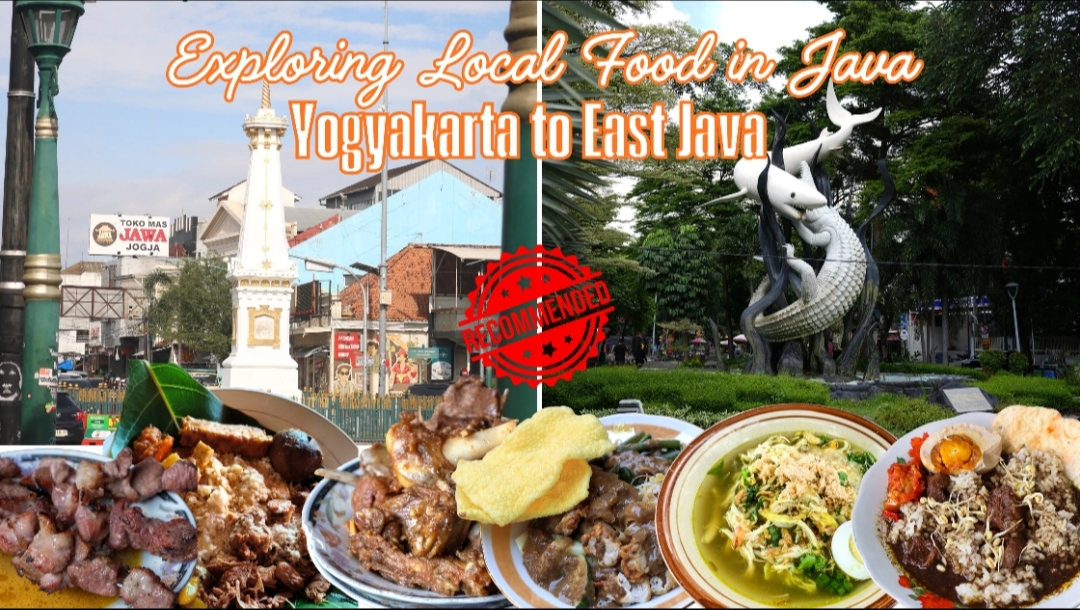
Exploring Local Food in Java: Yogyakarta to East Java
Local food in Java, Java Indonesia’s most populated island, is not only known for its dramatic landscapes and ancient temples—it is also a remarkable destination for travelers who explore a place through food. Local cuisine across Java reflects centuries of cultural exchange, regional traditions, and the island’s diverse geography.
This article invites you on a culinary journey across Java, tracing the evolving flavors from Yogyakarta in Central Java to the bold, expressive dishes of East Java. It is a journey not just of taste, but of culture, history, and everyday life.
Read also: Must Try Local Food in Java (Yogyakarta, Surabaya & Solo)
Java’s Culinary Landscape: Where Culture Meets the Table
Java’s food culture has grown from its strategic position along historic trade routes and its long agricultural traditions. Rice, fresh vegetables, aromatic spices, coconut, and seafood form the backbone of daily meals, prepared using techniques passed down through generations.
Each region interprets these ingredients differently. In Yogyakarta, dishes are often slow-cooked and gently seasoned, while East Java favors stronger contrasts—savory, spicy, tangy, and sometimes smoky. Together, they form a culinary map that mirrors the island’s cultural diversity.
For many Javanese communities, food is deeply woven into social life—shared during family gatherings, religious ceremonies, and local celebrations. Eating in Java is never just about nourishment; it is about connection.
Yogyakarta: The Art of Subtle and Sweet Flavors
Yogyakarta is widely regarded as the cultural heart of Java, and its cuisine reflects this refined character. The flavors here tend to be gentle, balanced, and slightly sweet, influenced by the long traditions of the Javanese royal courts.
Signature dishes include:
Gudeg – signature dish made from young jackfruit slow-cooked in coconut milk and palm sugar. It has a sweet, rich flavor and is usually served with rice, chicken, and egg. Reflects the traditional taste of Central Java.
Tengkleng – made with goat bones and small pieces of meat, cooked in a light, aromatic broth. Unlike rich coconut curries, Tengkleng has a clear, mildly spiced flavor that reflects Central Java subtle taste.
Sate Klathak – simply grilled goat or lamb skewers, seasoned lightly to highlight the natural flavor of the meat.
Traditional cooking methods remain central to Yogyakarta’s food culture. Many local kitchens still use clay stoves fueled by firewood, a practice that enhances aroma and depth of flavor.
East Java: Bold Flavors and Culinary Confidence
As the journey continues eastward, the culinary character becomes noticeably bolder. East Java’s cuisine is shaped by coastal influences, abundant seafood, and a cultural preference for strong, expressive flavors.
Notable dishes include:
Rujak Cingur – a traditional dish from East Java made with vegetables, fruit, tofu, and slices of beef snout, served with a thick black shrimp-paste sauce. It offers a robust savory profile with hints of sweetness and earthy depth. It is a unique example of East Java’s strong and expressive culinary character.
Soto Madura – a traditional Indonesian soup made with clear or lightly spiced broth, meat, and vegetables. Each region has its own variation, reflecting local flavors and ingredients. Soto is commonly enjoyed as a comforting everyday meal across Indonesia.
Rawon – a traditional East Javanese beef soup made with ‘keluak’ nuts, giving it a distinctive dark color. It has a deep, earthy flavor and is typically served with rice, bean sprouts, and salted egg. Rawon is an iconic dish rooted in East Java culinary tradition.
Unlike Central Java, East Javanese dishes often rely on fresh chili rather than pepper for heat, creating a sharper, more direct spiciness. Food festivals across the region regularly celebrate these traditions, offering travelers a chance to experience local culture through taste.
From Gentle to Bold: A Journey of Changing Flavors
Traveling from Yogyakarta to East Java is also a journey through changing taste preferences. The sweetness and subtlety of Central Java gradually give way to stronger, more contrasting flavors in the east.
These differences reflect more than personal preference they are shaped by geography, historical influences, and local lifestyles. As environments change, so do ingredients, cooking techniques, and flavor profiles, creating a natural culinary evolution across the island.
Conclusion:
Exploring local food in Java. From the refined traditions of Yogyakarta to the confident, bold flavors of East Java, each region tells its own story through food.
Exploring Java through its cuisine is an invitation to slow down, connect with local communities, and experience culture in its most authentic form. It is not only a culinary journey, but a cultural one—guided by taste, tradition, and human warmth.
Come and discover Java through its local flavors and along the way, experience the genuine hospitality that makes the island unforgettable.
Experience Java through its local flavors with a trusted local guide. Plan your food and culture journey with Trek Java.


Comments are closed