 Culture & Heritage
Bromo Day of Silence: Sacred Prelude to Nyepi 2026
The Day of Silence, also known as Nyepi, is a sacred holiday in the Hindu calendar that marks the beginning of the Hindu New Year. This day is a time for introspection, self-reflection, and spiritual rejuvenation, and is observed by Hindus all around the world. In this article, we will delve into the significance of the Day of Silence and its connection to the Hindu New Year, exploring the rich cultural and spiritual heritage of this unique celebration.
In Indonesia, Nyepi in 2026 will be observed on March 19. Unlike other New Year celebrations filled with festivities and fireworks, Nyepi is marked by complete silence. Daily activities come to a halt, lights are turned off, travel is restricted, and communities dedicate the day to prayer and meditation.
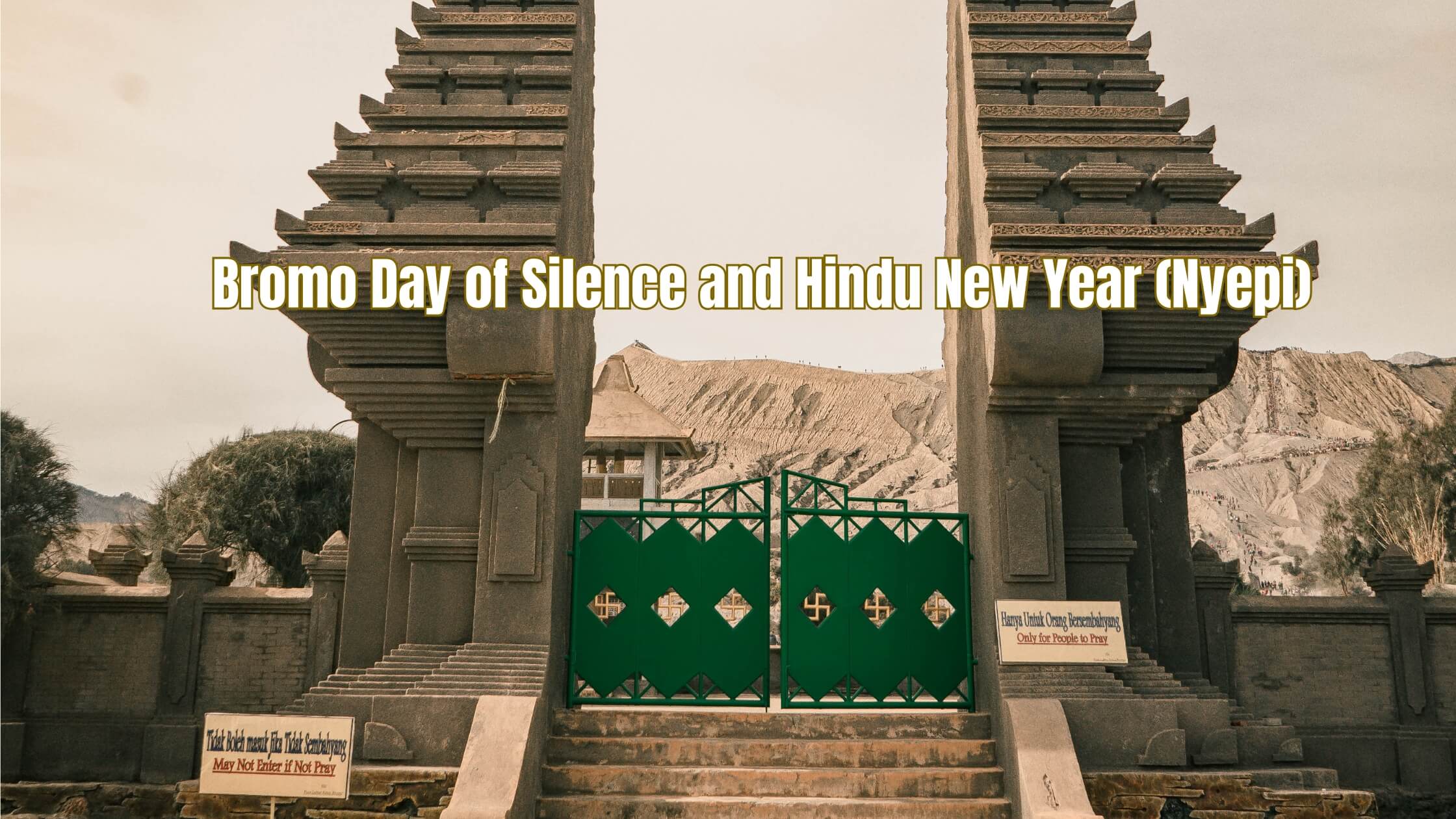
This sacred observance also has an important impact on tourism activities in certain regions. Access to Mount Bromo will be temporarily closed from March 19 to March 20, 2026.
The closure serves as a meaningful expression of respect and tolerance toward the local community, particularly the Tenggerese people who live around Mount Bromo and honor Nyepi as part of their religious tradition. During this period, all tourism activities in the area will be suspended to allow the community to observe this sacred day in peace.
Travelers planning to visit Mount Bromo during these dates are strongly encouraged to adjust their itineraries accordingly. Being informed in advance helps prevent misunderstandings and ensures a respectful and harmonious travel experience.
Read also: Bromo sunrise without crowds
Understanding Nyepi is not only about knowing the date of observance, but also about appreciating the deeper values of balance, reflection, and respect that define this important moment in the Hindu calendar.
Introduction to Nyepi: The Day of Silence
Nyepi is a day of complete silence and introspection, where individuals are expected to refrain from all activities, including work, travel, and even talking. This day is a time for meditation, prayer, and self-reflection, and is considered a crucial part of the Hindu New Year celebrations. The Day of Silence is observed on the first day of the tenth month in the Hindu calendar, and is a public holiday in several countries, including Indonesia and Malaysia.
Preparations for the Day of Silence
In the days leading up to the Day of Silence, Hindus prepare themselves through various rituals and ceremonies. These include:
Cleansing of the body and mind through meditation and prayer
Seeking forgiveness from family and friends for past mistakes
Exchanging gifts and well-wishes with loved ones
Preparing traditional foods and offerings for the gods
These preparations help individuals to purify their mind, body, and soul, and to create a sense of inner peace and calm that is essential for the Day of Silence.
Observing the Day of Silence
On the Day of Silence, individuals are expected to observe a complete fast, abstaining from food, water, and even speech. This day is a time for intense meditation and prayer, and individuals are encouraged to focus on their inner selves, letting go of all worldly desires and distractions. The Day of Silence is also a time for family and friends to come together, bonding over their shared spiritual experiences and creating lasting memories.
Benefits of the Day of Silence
The Day of Silence offers numerous benefits for individuals, including:
Inner peace and calm: The Day of Silence helps individuals to connect with their inner selves, promoting a sense of peace and tranquility that can be carried forward into their daily lives.
Spiritual growth: The Day of Silence provides an opportunity for individuals to deepen their spiritual practice, fostering a sense of connection with the divine and the universe.
Improved relationships: The Day of Silence encourages individuals to let go of past grudges and conflicts, promoting forgiveness and reconciliation among family and friends.
By observing the Day of Silence, individuals can experience a profound sense of transformation and renewal, preparing themselves for the new year ahead.
Celebrating the Hindu New Year
It is celebrated on the day after the Day of Silence, marking the beginning of a new cycle of time. This day is a time for joy, celebration, and new beginnings, and is observed with great enthusiasm and fervor by Hindus all around the world. The Hindu New Year is a time for:
Exchanging gifts and well-wishes with family and friends
Participating in traditional ceremonies and rituals
Enjoying delicious foods and drinks
Reflecting on past experiences and setting new goals for the future
The Hindu New Year is a time for fresh starts and new beginnings, and is a celebration that is steeped in tradition and cultural heritage.
In conclusion, the Day of Silence is a significant and meaningful celebration that marks the beginning of the Hindu New Year. By observing this day of silence and introspection, individuals can experience a deep sense of spiritual growth and renewal, preparing themselves for the new year ahead. Whether you are a Hindu or simply interested in learning more about this unique celebration, the Day of Silence and Hindu New Year are sure to captivate and inspire, offering a glimpse into the rich cultural and spiritual heritage of the Hindu tradition.
The Day of Silence is a reminder that true peace and happiness come from within, and that by cultivating inner peace and calm, we can create a more harmonious and peaceful world.


Comments are closed